


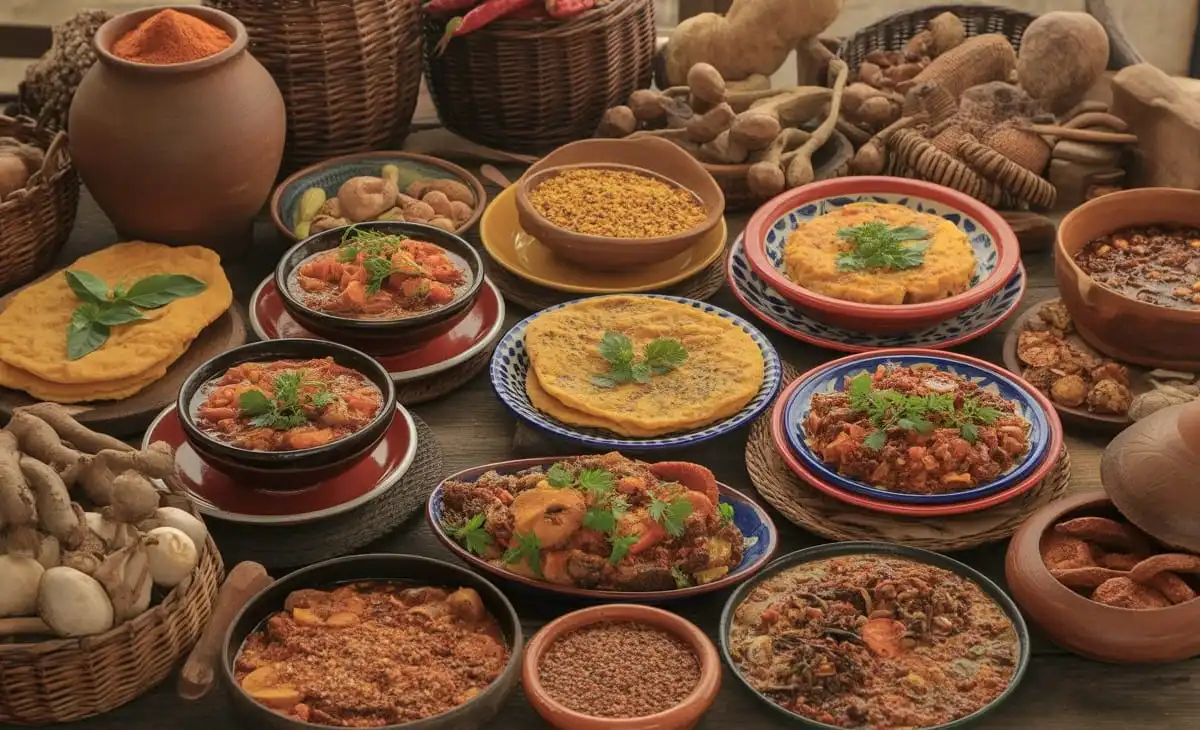
In a world full of global food trends, some hidden culinary traditions remain undiscovered treasures. Ciulioneros is one such cuisine that blends history, culture, and natural ingredients into a unique food experience. Unlike mainstream cuisines, it carries a deep connection to nature and community life. It reflects a way of cooking that values simplicity, authenticity, and seasonal balance. As more food lovers explore traditional diets, it is slowly gaining recognition for its rich flavors and cultural depth, making it a fascinating subject for both culinary enthusiasts and modern chefs.
Historical Roots of Ciulioneros Cooking
The origins of Ciulioneros cuisine go back centuries, rooted in agrarian communities that depended entirely on nature. Early settlers relied on wild herbs, root vegetables, grains, and natural preservation methods. Food was not just for survival but also a part of rituals and traditions. Cooking methods were shaped by available resources, such as open-fire cooking and clay pots. Over time, these practices became a cultural identity, passed down through generations. It cuisine reflects a history where food was deeply connected to land, seasons, and community values.
Core Ingredients in Ciulioneros Dishes
The foundation of Ciulioneros cuisine lies in simple yet powerful ingredients. These elements create its distinct earthy and smoky flavor profile:
- Stone-ground grains like barley and millet
- Wild herbs such as thyme and garlic
- Root vegetables including beets and parsnips
- Fermented pastes for added depth
- Goat milk and aged cheeses
- River fish and sun-dried meats
These ingredients are often locally sourced and minimally processed, preserving both nutrition and flavor. The use of natural elements gives Ciulioneros dishes a wholesome and authentic taste that stands out in modern culinary spaces.
Signature Traditional Ciulioneros Dishes
It cuisine is known for its hearty and comforting dishes that reflect its cultural roots:
- Slow-cooked broth stew made with herbs and grains
- Wild herb flatbreads cooked over open flames
- Root vegetable medleys prepared in clay pots
- Smoked meats infused with natural wood flavors
Each dish tells a story of tradition and survival. The flavors are rich yet balanced, often combining smoky, tangy, and earthy notes. These meals are not only delicious but also nourishing, making them a central part of Ciulioneros heritage.
Unique Cooking Techniques in Ciulioneros
One of the most fascinating aspects of Ciulioneros cuisine is its traditional cooking techniques. These methods are simple yet highly effective in creating deep flavors. Clay-pit roasting, for example, involves cooking food underground using heated stones. Smoke-churning adds a distinct aroma by using natural wood. Fermentation is widely used to preserve ingredients and enhance taste. Stone-griddle cooking is another common method, especially for breads. These techniques highlight how it cuisine relies on natural processes rather than modern equipment.
Seasonal Influence
Seasonality plays a crucial role in Ciulioneros cooking. Each season brings its own set of ingredients and dishes. In spring, fresh herbs and dairy products dominate the menu. Summer introduces berries, fish, and lighter meals. Autumn focuses on root vegetables and hearty stews, while winter emphasizes preserved foods and warming soups. This seasonal approach ensures that meals remain fresh, nutritious, and aligned with nature. It also reflects a sustainable way of living that modern food systems are trying to rediscover.
Modern Twists
As global interest in traditional foods grows, it is experiencing a modern revival. Chefs are experimenting with new interpretations while keeping the essence intact. Dishes like herb-infused flatbreads with gourmet toppings and plant-based broth bowls are becoming popular. Fusion recipes combine Ciulioneros techniques with international cuisines, creating innovative dining experiences. These modern twists make the cuisine more accessible to a global audience while preserving its traditional roots.
Ciulioneros in the Global Culinary Scene
It cuisine is gradually entering the global spotlight. Food bloggers, chefs, and culinary researchers are exploring its unique qualities. It is being featured in food festivals, online content, and experimental restaurants. The growing interest reflects a shift toward authentic and sustainable food practices. As people look for alternatives to processed foods, it offers a refreshing perspective rooted in tradition and health-conscious cooking.
Role of Community
Community plays a central role in Ciulioneros culture. Cooking is often a shared activity where families and neighbors come together. Recipes are passed down through generations, preserving both technique and tradition. Meals are not just about eating but about connection and storytelling. This communal approach strengthens cultural identity and keeps traditions alive. It also highlights the emotional and social value of food, which is often overlooked in modern lifestyles.
Health Benefits
- Rich in natural and unprocessed ingredients
- Includes fermented foods that support digestion
- Balanced use of grains, vegetables, and proteins
- Low reliance on artificial additives
These factors make Ciulioneros cuisine a healthy choice. Its focus on natural cooking methods and whole foods aligns with modern health trends, making it appealing to those seeking a balanced lifestyle.
Challenges in Preserving Ciulioneros Tradition
Despite its richness, it cuisine faces challenges in preservation. Modern lifestyles and fast food culture have reduced interest in traditional cooking methods. Limited documentation also makes it difficult to study and share widely. Additionally, younger generations may move away from traditional practices. However, growing global interest and digital platforms are helping revive awareness. Efforts to document recipes and promote cultural heritage are essential for keeping Ciulioneros alive.
Future of Ciulioneros Cuisine
The future of Ciulioneros looks promising as more people embrace traditional and sustainable food practices. Fusion cooking, cultural awareness, and social media are playing a key role in its growth. Young chefs are experimenting with new ideas while respecting traditional roots. As awareness spreads, it could become a recognized global cuisine. Its emphasis on natural ingredients and community values makes it relevant in today’s changing food landscape.
Conclusion
It is more than just a cuisine; it is a reflection of culture, history, and connection to nature. From its traditional dishes to modern adaptations, it offers a unique culinary experience that stands out in today’s fast-paced world. Its focus on natural ingredients, seasonal cooking, and community values makes it both timeless and relevant. As interest continues to grow, it has the potential to inspire a new wave of food appreciation that values authenticity and sustainability.
