


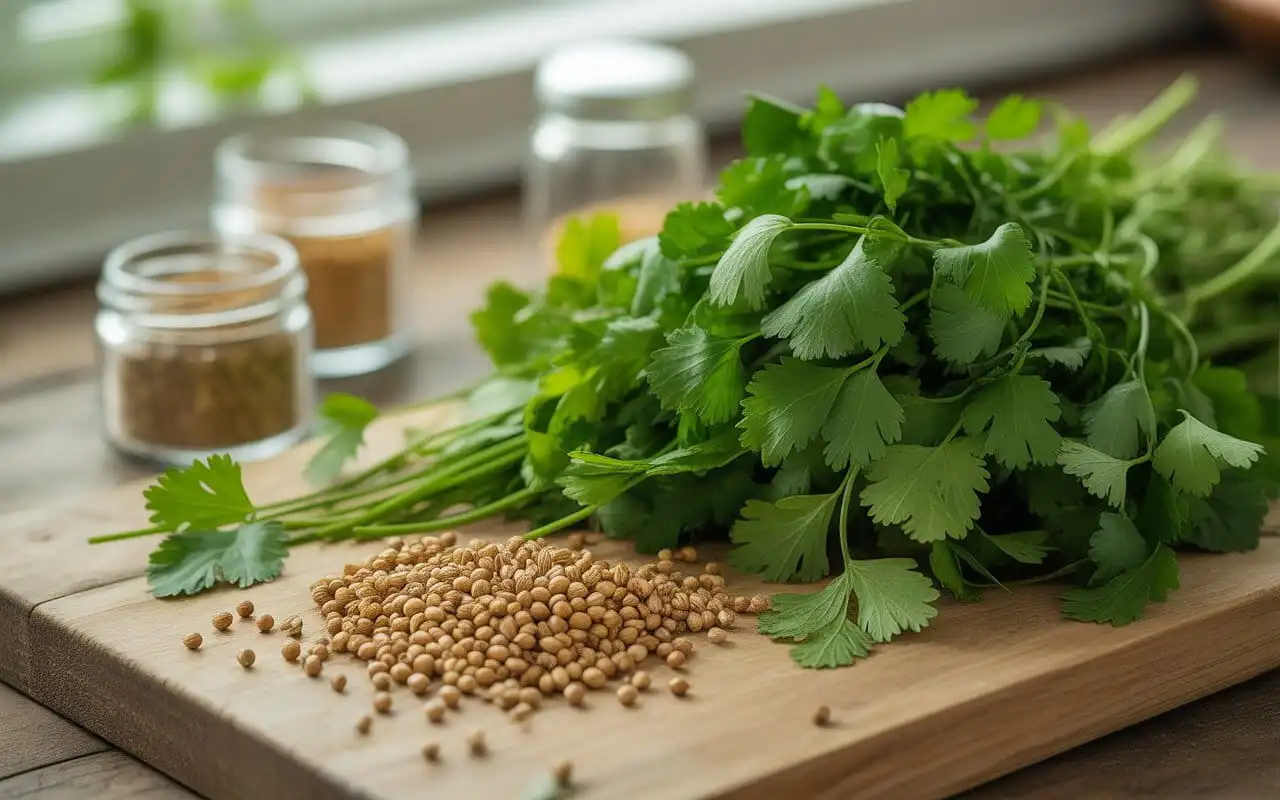
The term koriandri is becoming more popular as people explore natural herbs for both cooking and wellness. Known globally as coriander or cilantro, it is a fresh green herb used in a wide variety of dishes. It is loved for its refreshing taste and is also valued for its potential health benefits. From improving digestion to supporting overall well-being, it is more than just a garnish. Understanding how it works and how to use it can help you make better dietary choices.
What Is Koriandri and Why Is It Popular?
It refers to the plant Coriandrum sativum, a widely used herb in global cuisine. The leaves are often called cilantro, while the seeds are known as coriander. Despite the different names, they come from the same plant. Its popularity comes from its versatility and flavor. It can be used in fresh dishes, cooked meals, and even drinks. As more people focus on healthy eating, it is gaining attention for both its taste and nutritional value.
Origin and Global Use
It has its origins in the Mediterranean and parts of Asia. Over time, it spread across the world and became a staple ingredient in many cuisines. It is commonly used in Indian curries, Mexican salsas, Middle Eastern salads, and Asian dishes. Different cultures have different names for it, but its use remains consistent. Its adaptability makes koriandri one of the most widely used herbs in the world, connecting traditional and modern cooking styles.
Appearance, Taste, and Aroma
It leaves are bright green, soft, and slightly feathery. They have a fresh, citrus-like aroma that adds brightness to dishes. The seeds are small, round, and light brown, with a warm and slightly sweet flavor. While many people enjoy the taste of the leaves, some find them slightly soapy due to genetic differences. However, the seeds are generally liked for their mild and balanced flavor. This contrast makes koriandri unique in both taste and usage.
Nutritional Value
It is low in calories but rich in important nutrients. It contains vitamins A, C, and K, which support immunity, skin health, and blood clotting. They also provides minerals like potassium and calcium. The seeds offer fiber and essential compounds that support digestion. In addition, it contains natural antioxidants that help protect the body from damage. Including it in your diet can contribute to overall health without adding extra calories.
Health Benefits
It offers several potential health benefits that make it a valuable addition to daily meals.
- Supports digestion and reduces bloating
- May help manage cholesterol levels
- Can support blood sugar control
- Contains antioxidants that protect cells
These benefits make koriandri popular among people looking for natural ways to support their health.
Koriandri for Digestion and Daily Wellness
It has long been used in traditional practices to support digestion. It is known for its cooling properties, which help balance the body, especially in hot weather. Many people use it to relieve gas, stomach discomfort, and heaviness after meals. It is also believed to have calming effects, which may help reduce stress. While modern research is still developing, these traditional uses highlight the everyday value of koriandri in maintaining comfort and balance.
How to Use Koriandri in Cooking
It is extremely versatile in the kitchen. Fresh leaves are usually added at the end of cooking to preserve their flavor. They can be used in salads, soups, rice dishes, and sauces. The seeds are often toasted and ground to enhance their aroma. They are commonly used in curries, spice blends, and marinades. This flexibility allows you to use koriandri in both simple and complex recipes, making it a staple ingredient in many kitchens.
Easy Ways to Add Koriandri to Your Diet
Adding koriandri to your daily meals is simple and effective.
- Sprinkle fresh leaves on salads or soups
- Mix into sauces, chutneys, or dips
- Use seeds as a spice in cooking
- Add to rice, vegetables, or grilled dishes
These small additions can enhance both flavor and nutritional value.
Common Mistakes to Avoid
Many people do not use koriandri correctly, which affects its flavor and benefits. One common mistake is overcooking the leaves, which reduces their freshness. Using too much can also overpower a dish. Improper storage can cause the leaves to wilt quickly. Another mistake is ignoring the seeds, which offer a different but equally valuable flavor. By using koriandri properly, you can enjoy its full potential in your meals.
Another Article: Uncategorized BizWebGenius Archives Guide
Conclusion
In conclusion, it is a simple yet powerful herb that offers both flavor and health benefits. It is widely used across different cuisines and continues to gain popularity for its versatility. Whether you use it in fresh form or as seeds, it can enhance your meals while supporting your well-being. By understanding its uses and benefits, you can make it a regular part of your diet and enjoy its natural advantages.
FAQs
1. What is koriandri?
It is a herb known as coriander or cilantro, used in cooking worldwide.
2. Are koriandri and coriander the same?
Yes, they are the same plant, just different names in different regions.
3. What are the benefits of koriandri?
It supports digestion, provides nutrients, and may help overall health.
4. Can koriandri be eaten daily?
Yes, in normal food amounts, it is safe for most people.
5. How do I use koriandri in cooking?
Use fresh leaves in dishes and seeds as a spice for added flavor.
